
The term cosmetic OEM has become increasingly popular within the clinical, dermatological, and aesthetic medicine sectors. As more clinics explore the possibility of launching their own cosmetic lines, OEM manufacturing is often presented as a fast, efficient, and seemingly low-risk pathway to market. However, behind its apparent simplicity lies a complex operational and strategic reality that is frequently misunderstood.
For many clinics, OEM cosmetic manufacturing is perceived as a technical shortcut: a way to outsource formulation, production, and compliance while retaining brand ownership. While this is partially true, it oversimplifies the nature of OEM relationships and underestimates the level of control, responsibility, and decision-making that clinics must still assume.
In a clinical environment, cosmetics are not neutral consumer goods. They interact directly with skin that may be compromised by treatments, devices, or medical conditions. This elevates the stakes significantly. Choosing to work under an OEM model is not merely a manufacturing decision; it is a strategic commitment that affects clinical outcomes, legal exposure, cost structures, and long-term brand credibility.
This article aims to clarify what OEM really means in the context of clinics. Beyond definitions, it explores the practical implications of cosmetic OEM—who controls what, where costs truly lie, and where responsibility ultimately rests. Understanding these realities is essential for clinics that want to make informed decisions rather than relying on oversimplified promises.
What Cosmetic OEM Really Means in a Clinical Context
At its core, OEM cosmetic manufacturing refers to a model in which one company designs, manufactures, and often partially develops cosmetic products that are then branded and commercialized by another entity—in this case, a clinic. While the acronym itself is widely used, its practical interpretation varies greatly depending on the partner, the level of customization, and the regulatory framework involved.
In the clinical environment, cosmetic OEM is not a standardized formula. It exists on a spectrum ranging from basic white-label solutions to highly customized, clinic-specific developments. Understanding where a project sits on this spectrum is critical, as it directly impacts control, differentiation, and responsibility.
OEM Is Not the Absence of Responsibility
One of the most common misconceptions among clinics is the belief that OEM manufacturing transfers responsibility away from the brand owner. In reality, while operational tasks may be outsourced, brand responsibility is not.
In most regulatory systems, the entity whose name appears on the product label—or the designated Responsible Person acting on its behalf—remains accountable for:
- Product safety
- Regulatory compliance
- Claim substantiation
- Post-market surveillance
This means that even under a cosmetic OEM model, clinics are not shielded from legal or reputational risk. Any adverse reaction, compliance issue, or misleading claim ultimately reflects on the clinic’s brand.
This is particularly relevant in a medical setting, where patient trust is rooted in professional credibility. A cosmetic failure does not remain confined to the product; it can undermine confidence in the clinic’s clinical judgment as a whole.
Degrees of Control Within OEM Models
Not all OEM arrangements offer the same level of control. In fact, control is one of the most variable—and most misunderstood—elements of cosmetic OEM.
At the lower end of the spectrum, clinics may select from pre-existing formulas with minimal modification. This approach offers speed and lower upfront costs, but it also limits:
- Ingredient selection
- Active concentrations
- Differentiation from competitors
- Alignment with specific treatment protocols
At the other end, advanced OEM partnerships allow clinics to participate actively in:
- Formulation design
- Active ingredient strategy
- Texture and sensorial development
- Clinical rationale and positioning
In these cases, OEM manufacturing becomes a collaborative process rather than a transactional one. The clinic retains strategic input while leveraging the manufacturer’s technical and regulatory expertise.
The key point is that OEM does not automatically mean loss of control—but control must be explicitly defined, negotiated, and exercised.
Customization vs. Standardization
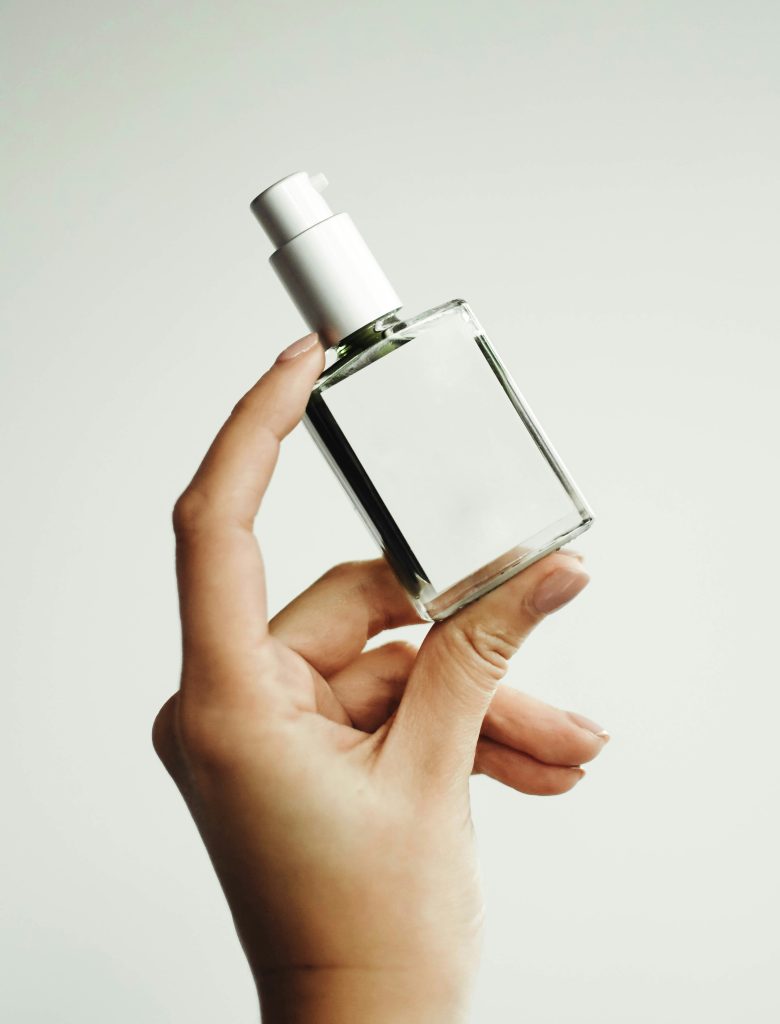
In clinical cosmetics, customization is not a luxury; it is often a necessity. Skin exposed to medical treatments requires formulations that are carefully calibrated for tolerance, efficacy, and compatibility. OEM models that rely heavily on standardized formulas may fail to meet these requirements.
Clinics must therefore ask critical questions:
- Is the formula adapted to post-procedure skin?
- Are active ingredients supported by clinical rationale?
- Can concentrations be adjusted based on treatment intensity?
Without sufficient customization, OEM products risk becoming indistinguishable from generic professional skincare—undermining both clinical integration and brand differentiation.
Clinical Alignment as a Strategic Imperative
A cosmetic developed under an OEM model must align with the clinic’s medical philosophy and treatment protocols. This alignment cannot be assumed; it must be deliberately designed.
OEM cosmetic manufacturing becomes problematic when products are developed in isolation from clinical practice. In such cases, cosmetics exist parallel to treatments rather than reinforcing them. This disconnect weakens both therapeutic outcomes and patient perception.
Successful clinics treat OEM cosmetics as part of a unified care model, ensuring that home-use products support and extend in-clinic interventions.
Cost Structures: Visible and Hidden
From a financial perspective, cosmetic OEM is often marketed as cost-efficient. While OEM can reduce the need for in-house infrastructure, clinics must understand that costs extend beyond unit price.
Real costs include:
- Minimum order quantities
- Regulatory documentation and updates
- Stability testing and reformulation
- Packaging compliance
- Ongoing quality control
Additionally, limited customization may reduce upfront costs but increase long-term opportunity costs by restricting differentiation and pricing power.
Clinics that focus solely on manufacturing price often overlook the strategic cost of commoditization.
The Importance of the Right OEM Partner
Given these complexities, the choice of OEM partner becomes decisive. A manufacturer experienced in mass-market cosmetics may not be equipped to address the specific demands of clinical environments.
Specialized partners such as MS Clinics Lab operate at the intersection of cosmetic OEM, clinical science, and regulatory strategy—helping clinics navigate control, compliance, and customization without compromising medical integrity.
This type of partnership transforms OEM from a logistical solution into a strategic framework that supports long-term clinical and brand objectives.
Control in Cosmetic OEM: What Clinics Actually Decide and What They Don’t
One of the most decisive—and often misunderstood—aspects of cosmetic OEM for clinics is control. Many clinics enter OEM agreements believing they will either retain full control over their products or, conversely, that all control is transferred to the manufacturer. In reality, control in OEM cosmetic manufacturing is neither absolute nor automatic; it is defined by structure, expertise, and the level of involvement the clinic chooses to maintain.
In a clinical environment, control is not a matter of preference but of professional responsibility. Every decision made during product development has potential implications for patient safety, treatment outcomes, and brand credibility. Understanding where control truly lies is therefore essential.
Control Over Formulation and Ingredients
Formulation is often perceived as the core of control in cosmetic OEM. However, clinics quickly discover that not all OEM partners offer the same level of formulation flexibility. Some manufacturers work exclusively with fixed bases or proprietary systems that limit ingredient modification. While this approach may simplify production, it restricts the clinic’s ability to tailor products to specific clinical needs.
In contrast, advanced OEM models allow clinics to participate actively in formulation strategy. This includes selecting active ingredients based on clinical rationale, adjusting concentrations to suit post-procedure skin, and excluding components that may interfere with treatments or devices.
For clinics, this level of control is critical. Products used in a medical context must be designed with predictable skin response and high tolerance in mind. When formulation decisions are dictated solely by manufacturing convenience, clinical alignment suffers.
Control Over Claims and Positioning
Another key area of control is claims and positioning. In cosmetic OEM, manufacturers often provide pre-approved marketing language designed to ensure regulatory safety. While this can be helpful, it may also constrain how clinics communicate the product’s clinical value.
In medical settings, claims must be:
- Accurate and substantiated
- Aligned with clinical reality
- Consistent with treatment protocols
Clinics that relinquish control over claims risk presenting products that feel generic or disconnected from their expertise. Conversely, clinics that actively define their positioning—supported by appropriate documentation—create products that reinforce medical authority rather than dilute it.
Control Over Quality and Consistency
Quality control is another domain where perceived and actual control often diverge. While OEM manufacturers handle production, clinics remain responsible for the product’s performance in real-world use. Batch-to-batch consistency, microbiological safety, and stability over time are not abstract concepts; they directly affect patient experience.
Clinics that take an active role in defining quality standards—rather than accepting default specifications—are better positioned to maintain clinical credibility. This may involve:
- Reviewing quality documentation
- Defining acceptable tolerance ranges
- Establishing procedures for handling deviations
Control, in this sense, is exercised through oversight and governance, not direct manufacturing.
The True Cost of Cosmetic OEM: Beyond Unit Price
Cost is often the primary factor driving interest in cosmetic OEM. The promise of reduced development expenses and simplified logistics is appealing, particularly for clinics without in-house cosmetic expertise. However, focusing exclusively on unit price obscures the true cost structure of OEM cosmetic manufacturing.
Upfront and Ongoing Costs
While OEM models typically reduce initial R&D investment, clinics must account for multiple cost layers beyond production:
- Minimum order quantities that tie up capital
- Regulatory documentation updates
- Reformulation costs due to regulatory changes
- Packaging compliance and redesign
- Quality testing and shelf-life studies
These costs are not one-time expenses. They recur throughout the product lifecycle, particularly as regulations evolve and clinics expand into new markets.
Cost of Limited Differentiation
Another often-overlooked cost is strategic limitation. OEM products with minimal customization may be cheaper to launch, but they also limit pricing power and brand differentiation. In competitive clinical markets, this can lead to:
- Increased price sensitivity
- Reduced perceived value
- Difficulty justifying professional recommendation
Over time, these factors can erode margins far more significantly than initial manufacturing savings.
Opportunity Cost and Brand Impact
Perhaps the most significant cost associated with cosmetic OEM is opportunity cost. A product that fails to align with the clinic’s positioning or clinical philosophy represents a missed opportunity to build brand equity and patient loyalty.
Clinics that invest in OEM solutions without strategic clarity often find themselves with products that neither harm nor help their brand—an outcome that is economically inefficient in the long term.
Strategic Cost Management Through Expertise
Effective cost management in OEM cosmetic manufacturing is not about minimizing expenses, but about optimizing investment. Clinics that work with specialized partners such as MS Clinics Lab benefit from a strategic approach that balances cost efficiency with clinical relevance, regulatory security, and brand differentiation.
This approach transforms cost from a constraint into a strategic variable that supports sustainable growth.
Responsibility and Risk in Cosmetic OEM: What Clinics Ultimately Own
One of the most critical—and least discussed—aspects of cosmetic OEM in a clinical setting is responsibility. While OEM manufacturing is often marketed as a way to outsource complexity, responsibility in cosmetic products is never fully outsourced. For clinics, this reality has profound legal, clinical, and reputational implications.
In the eyes of regulators, patients, and professional peers, the brand on the label is inseparable from the product itself. This means that any issue related to safety, compliance, or performance ultimately reflects on the clinic, regardless of who manufactured the product.
Legal Responsibility Does Not Follow the Factory
A common misconception among clinics entering OEM cosmetic manufacturing is that liability remains with the manufacturer. In practice, regulatory frameworks consistently place responsibility on the brand owner or the designated Responsible Person acting on its behalf.
This responsibility includes:
- Ensuring the product is safe for its intended use
- Maintaining up-to-date regulatory documentation
- Guaranteeing that claims are truthful and substantiated
- Managing adverse event reporting and corrective actions
In a clinical context, this responsibility is amplified. Patients often assume that clinic-branded products are not only compliant but also medically validated. Any discrepancy between expectation and reality can escalate rapidly into reputational damage.
Clinics must therefore approach OEM cosmetics with the same seriousness they apply to medical devices or injectable treatments—because patients often perceive them through a similar lens of trust.
Risk Exposure in a Medical Environment
Risk in cosmetic OEM extends beyond legal definitions. In clinics, cosmetics interact with skin that may be inflamed, compromised, or undergoing active regeneration. This elevates the risk profile compared to general consumer use.
Potential risks include:
- Increased sensitivity or irritation post-procedure
- Interference with healing processes
- Reduced efficacy of treatments
- Inconsistent results across patient profiles
When such issues occur with third-party brands, clinics may distance themselves from responsibility. With clinic own-brand products, that separation does not exist. The product is perceived as a direct extension of the clinic’s clinical judgment.
This is why risk management in OEM cosmetic manufacturing must be proactive rather than reactive. It involves not only compliance but also clinical foresight.
The Importance of Post-Market Surveillance
Another area where responsibility is often underestimated is post-market surveillance. Cosmetic regulations increasingly require brands to monitor product performance after launch, document adverse reactions, and take corrective action when necessary.
For clinics, this process cannot be treated as a bureaucratic formality. Post-market feedback provides critical insights into how products perform across different skin types, treatments, and usage patterns.
Clinics that actively engage in surveillance:
- Improve product performance over time
- Identify tolerance issues early
- Strengthen clinical protocols
- Demonstrate professional diligence
In contrast, clinics that ignore this responsibility expose themselves to cumulative risk—both regulatory and reputational.
Responsibility as a Strategic Choice
While responsibility in OEM cosmetic manufacturing may seem burdensome, it can also be reframed as a strategic advantage. Clinics that fully embrace responsibility gain deeper control over product evolution, clinical alignment, and brand credibility.
Ownership of responsibility encourages:
- Higher formulation standards
- More disciplined claim strategies
- Better integration between products and treatments
Ultimately, responsibility is the price—and the privilege—of building a meaningful own-brand cosmetic line.
Decision-Making Framework: When OEM Makes Sense for Clinics

Given the complexity of control, cost, and responsibility, cosmetic OEM is not inherently good or bad. Its value depends entirely on how and why it is implemented.
OEM makes strategic sense for clinics when:
- There is a clear clinical rationale for home-use products
- The clinic seeks long-term brand differentiation
- Products are integrated into treatment protocols
- There is willingness to assume regulatory and reputational responsibility
Conversely, OEM is a poor fit when:
- The goal is short-term revenue without strategic intent
- Differentiation is not a priority
- Clinical integration is minimal
- Responsibility is viewed as a burden rather than an obligation
Successful clinics approach OEM as a structural decision, not a tactical one. They invest time in defining objectives, governance, and internal alignment before launching products.
The Role of Expertise in Reducing Risk
One of the most effective ways to manage OEM complexity is through specialized expertise. Clinics rarely possess in-house knowledge of cosmetic regulation, formulation science, and manufacturing logistics at the level required for sustained success.
Working with partners who understand both OEM cosmetic manufacturing and clinical realities allows clinics to navigate these challenges without compromising medical integrity.
Specialized partners such as MS Clinics Lab support clinics in structuring OEM projects that balance control, cost efficiency, and responsibility—ensuring that products function as true clinical extensions rather than isolated commercial items.
This partnership model transforms OEM from a manufacturing solution into a strategic framework for growth.
Conclusion: Cosmetic OEM Is a Responsibility Model, Not a Shortcut
In the clinical environment, cosmetic OEM is often misunderstood as a shortcut to market. In reality, it is a responsibility model—one that redistributes operational tasks but leaves strategic, clinical, and reputational accountability firmly with the clinic.
Understanding the real implications of cosmetic OEM and OEM cosmetic manufacturing is essential for clinics that want to build credible, effective, and sustainable own-brand cosmetic lines. Control must be actively defined, costs must be evaluated beyond unit price, and responsibility must be embraced rather than avoided.
When approached with clarity and expertise, OEM can empower clinics to:
- Extend their clinical authority beyond treatments
- Improve patient outcomes through integrated home care
- Strengthen brand identity and loyalty
- Build scalable, long-term assets
When approached superficially, OEM risks producing generic products that dilute trust and limit strategic impact.
The difference lies not in the manufacturing model itself, but in the mindset behind it. Clinics that succeed are those that recognize a fundamental truth: in cosmetic OEM, outsourcing production does not mean outsourcing responsibility.